Mountains:
* Sierra Maestra: The highest mountain range in Cuba, located in the southeast. It's home to Pico Turquino, the highest peak at 1,974 meters (6,476 feet).
* Sierra de Nipe: Another significant mountain range in eastern Cuba, known for its dense forests.
* Guamuhaya Mountains: Located in the central region, these mountains are known for their rugged terrain and karst formations.
* Guaniguanico Mountains: Located in the western region, these mountains are known for their limestone hills and mogotes.
Plains:
* Great Cuban Plain: The largest plain in Cuba, stretching from the east to the west of the island. It's mostly flat, making it ideal for agriculture.
* Yucatan Plain: Located in the westernmost part of Cuba, this plain is known for its low elevation and proximity to the Yucatan Peninsula.
Coastal Features:
* Beaches: Cuba has a vast coastline with numerous beautiful beaches, ranging from sandy stretches to rocky shores.
* Cays and Islands: The Cuban archipelago includes over 1,600 cays and islands, offering diverse ecosystems and stunning scenery.
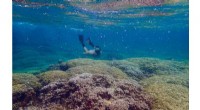
* Coral Reefs: Cuba's waters are home to extensive coral reefs, providing a rich habitat for marine life and contributing to the country's biodiversity.
Other Landforms:
* Mogotes: These steep, conical hills are a characteristic landform in western Cuba, resulting from the dissolution of limestone.
* Karst Topography: The Guamuhaya Mountains and other regions are characterized by karst topography, with caves, sinkholes, and underground rivers.
* Mangrove Swamps: Cuba's coastline is dotted with mangrove swamps, serving as important ecosystems for coastal protection and wildlife habitat.
Important Note:
* Cuba's landforms are dynamic and constantly evolving, influenced by factors such as erosion, tectonic activity, and climate change.
This breakdown provides a general overview of Cuba's landforms. Each region of the island has unique characteristics and geological history that contribute to its diverse landscape.