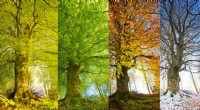
* Four distinct seasons:
* Warm, humid summers: Temperatures average in the 70s°F (21-26°C) with occasional hot spells reaching the 90s°F (32°C).
* Cold, snowy winters: Temperatures average in the 20s°F (-6°C) with frequent snowstorms. Temperatures can drop below 0°F (-18°C) and even reach -20°F (-29°C) in the northern parts of the state.
* Mild, variable spring and fall: Spring brings gradual warming and blooming, while fall offers colorful foliage before the first frost.
* Significant snowfall: Vermont receives an average of 60-80 inches (152-203 cm) of snow per year, with some areas receiving over 100 inches (254 cm).
* Variable precipitation: Rainfall is evenly distributed throughout the year, with a slight increase in the spring and summer months.
Other notable features:
* Elevation: Vermont's mountainous terrain results in significant variation in climate across the state. Higher elevations experience colder temperatures and more snowfall.
* Lake effect snow: The presence of Lake Champlain and other large lakes can cause localized snowstorms known as lake effect snow, especially in the western and eastern parts of the state.
* Microclimates: Due to the state's varied topography, specific areas can have unique microclimates with their own temperature and precipitation patterns.
Overall, Vermont's climate is known for its beautiful and changing seasons, with cold, snowy winters and warm, humid summers.