1. Resource Distribution and Early Civilizations:
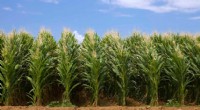
* Water: Access to clean water sources (rivers, lakes, aquifers) was crucial for the development of early agriculture and settlements. The Nile River in Egypt, the Tigris and Euphrates rivers in Mesopotamia, and the Indus River in India all supported thriving civilizations.
* Climate: Favorable climates, like the fertile crescent, allowed for early agriculture and the development of complex societies. Conversely, harsh climates and resource scarcity often presented challenges to development.
* Landforms: Mountains and deserts can act as natural barriers, limiting trade and migration. They also influence the development of unique cultures and languages. Conversely, fertile plains and valleys often facilitated trade and the growth of empires.
2. Trade and Communication:
* Oceans and Seas: The vastness of oceans promoted maritime trade and exploration, connecting distant cultures and facilitating the spread of knowledge and technology. The Silk Road, connecting East Asia with the West, traversed diverse landscapes and fostered cultural exchange.
* Rivers and Waterways: Rivers provided transportation routes, facilitating trade, communication, and the movement of goods and people. The Mississippi River in North America and the Yangtze River in China were vital for transportation and economic development.
3. Territorial Conflicts and Political Boundaries:
* Natural Barriers: Mountains, deserts, and oceans have often served as natural boundaries between civilizations, leading to the formation of distinct nations and cultures. For example, the Pyrenees Mountains separated France from Spain, and the Himalayas divided India from China.
* Strategic Location: Areas with access to vital resources or strategic locations, like seaports, often became targets for conquest and conflict.
* Climate Change: Climate change, like desertification or flooding, can lead to displacement, famine, and social unrest, potentially triggering conflicts and changing the course of history.
4. Environmental Impacts and Adaptation:
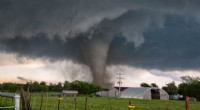
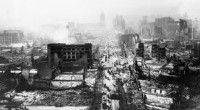
* Natural Disasters: Earthquakes, volcanic eruptions, and floods have caused immense destruction and population shifts, influencing the development of civilizations. The eruption of Vesuvius buried Pompeii, and the 1755 Lisbon earthquake devastated the city.
* Adaptation and Innovation: Humans have adapted to challenging environments through innovation and ingenuity. For example, the development of irrigation systems in arid regions or the construction of seawalls to protect coastal cities demonstrate how humans have overcome geographical challenges.
Examples:
* The Roman Empire: Its strategic location on the Mediterranean Sea facilitated trade and expansion.
* The Great Wall of China: Built to defend against invaders, it illustrates the impact of physical geography on military strategy.
* The Vikings: Their seafaring skills enabled them to explore and colonize vast areas.
* The Dust Bowl: A devastating period of drought and dust storms in the United States in the 1930s, highlighting the impact of climate change on human societies.
Conclusion:
The interplay between physical geography and history is complex and dynamic. Understanding the role of physical geography in shaping human societies and cultures is crucial for comprehending the past, analyzing present challenges, and planning for the future.