1. Location on the East African Rift Valley:
* Ethiopia sits directly on the East African Rift Valley, a geological feature stretching from the Red Sea to Mozambique.
* This rift valley is a zone of tectonic plate divergence, where the African Plate is slowly splitting apart.
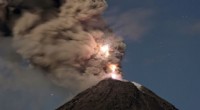
* This separation creates weaknesses in the Earth's crust, allowing magma from the mantle to rise and erupt, forming volcanoes.
2. Active Volcanic Hotspot:
* Ethiopia is also located over a volcanic hotspot, a stationary plume of hot magma rising from deep within the Earth's mantle.
* This hotspot further intensifies volcanic activity, leading to the formation of numerous volcanoes, both extinct and active.
3. Plate Tectonics and Magma Movement:
* As the African Plate splits, the magma from the mantle rises and forms magma chambers beneath the Earth's surface.
* These chambers can eventually erupt, leading to the formation of volcanoes.
* The movement of tectonic plates also creates stress in the Earth's crust, which can trigger earthquakes and volcanic eruptions.
4. Volcanic History:
* Ethiopia has a long history of volcanic activity, with some volcanoes dating back millions of years.
* The presence of numerous volcanic landforms, such as lava flows, calderas, and volcanic cones, testifies to the region's extensive volcanic past.
Examples of Notable Volcanoes in Ethiopia:
* Erta Ale: One of the most active volcanoes in the world, known for its persistent lava lake.
* Dallol: Known for its colorful geothermal fields and unique geological formations.
* Mount Ras Dashen: The highest mountain in Ethiopia, a dormant volcano.
These factors contribute to Ethiopia's volcanic landscape, making it a captivating destination for geologists, volcanologists, and adventure travelers alike.