1. Location and Settlement:
* Topography: Mountains, plains, rivers, and coastlines dictate where settlements develop. Fertile valleys attract agriculture, while coastal areas offer access to trade and resources.
* Climate: Temperature, rainfall, and seasonal variations determine the types of crops that can be grown, the availability of water, and even the prevalence of diseases. This heavily influences population density and the development of specific industries.
* Natural Resources: Availability of resources like water, timber, minerals, and fertile land drives economic activities, influencing population growth and the development of industries.
2. Resource Management:
* Water Resources: Water availability is critical for agriculture, industry, and human survival. Physical geography determines where water is found, how it flows, and how it can be managed sustainably.
* Land Use: The suitability of land for different uses, such as agriculture, forestry, or urban development, is determined by factors like soil type, terrain, and climate. This influences land management strategies and the development of sustainable practices.
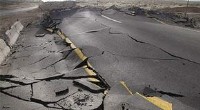
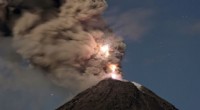
* Natural Hazards: Physical features like volcanoes, earthquakes, floods, and droughts pose risks to human populations. Understanding these hazards is crucial for disaster preparedness, mitigation, and community planning.
3. Human-Environment Interactions:
* Adaptation and Innovation: Humans have adapted to their environments through innovation, developing technologies and practices suitable for their specific location. This includes everything from building houses adapted to different climates to farming techniques suited to specific soil types.
* Environmental Impacts: Human activities, like agriculture, industry, and urbanization, can have significant impacts on the environment. Physical geography helps us understand these impacts and develop sustainable practices to minimize their effects.
* Climate Change: Physical geography provides the foundation for understanding climate change, its causes, and its potential consequences for human populations. This understanding is essential for developing adaptation and mitigation strategies.
4. Cultural Influences:
* Isolation and Connectivity: Physical barriers like mountains or oceans can lead to isolation and the development of distinct cultures. Conversely, navigable waterways and flat plains facilitate connections and cultural exchange.
* Cultural Landscapes: Human societies have shaped their landscapes through agriculture, construction, and other activities. These cultural landscapes are a testament to the interaction between human culture and the physical environment.
* Environmental Perception: Different cultures have different perceptions of nature and its importance. Understanding these perceptions is crucial for effective environmental management and conservation efforts.
In conclusion, physical geography is not just a study of the Earth's surface, but a crucial foundation for understanding human societies. It shapes where we live, what we do, and how we interact with the environment. Recognizing this interplay between physical and human geography is crucial for addressing challenges like resource management, climate change, and sustainable development.