* Sedimentary rocks: These are formed from the accumulation and cementation of sediments like sand, silt, clay, and organic matter.
* Sandstone: Formed from sand grains.
* Limestone: Formed from calcium carbonate, often from the shells of marine organisms.
* Shale: Formed from fine-grained clay and silt.
* Conglomerate: Formed from large, rounded pebbles and gravel.
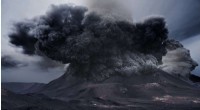
* Some Igneous Rocks: Though rarer, fossils can be found in volcanic ash or other igneous rocks formed from very rapid cooling.
Why sedimentary rocks are more common:
* Burial: Sediments bury organisms, preventing decay and decomposition.
* Pressure: Over time, the weight of overlying sediment compresses the remains, turning them into fossils.
* Mineralization: Minerals in groundwater can seep into the remains, replacing the organic material with durable minerals.
It's important to note:
* Fossil formation is a complex process: Not every organism that dies becomes a fossil. The conditions need to be just right for preservation.
* Finding fossils is a matter of luck: Even in areas with fossil-bearing rock, the chances of finding a specific fossil are relatively low.
So, while sedimentary rocks are most likely to hold fossils, you can find them in other types of rocks too. The key is to understand the processes that led to their formation.