Based on Origin:
* Tectonic Landforms: Formed by the movement of Earth's tectonic plates. Examples include:
* Mountains: Created by the collision of tectonic plates, resulting in uplift and folding of the Earth's crust. (e.g., Himalayas, Andes)
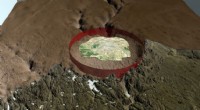
* Volcanoes: Formed by the eruption of magma from the Earth's mantle. (e.g., Mount Fuji, Mount Vesuvius)
* Rift Valleys: Created when tectonic plates pull apart, causing the Earth's crust to sink. (e.g., Great Rift Valley)
* Oceanic Trenches: Deep depressions in the ocean floor formed where tectonic plates collide. (e.g., Mariana Trench)
* Mid-Ocean Ridges: Underwater mountain ranges formed at the boundaries of diverging tectonic plates. (e.g., Mid-Atlantic Ridge)
* Erosional Landforms: Created by the weathering and erosion of existing landforms by natural agents like wind, water, and ice. Examples include:
* Canyons: Deep, narrow valleys carved by rivers. (e.g., Grand Canyon)
* Plateaus: Elevated, flat areas of land. (e.g., Colorado Plateau)
* Mesas: Flat-topped hills with steep sides. (e.g., Mesa Verde)
* Buttes: Isolated hills with steep sides and a small, flat top. (e.g., Monument Valley)
* Sand Dunes: Hill-like mounds of sand created by wind erosion. (e.g., Sahara Desert)
* Depositional Landforms: Created by the deposition of sediments by water, wind, or ice. Examples include:
* Deltas: Triangular-shaped landforms created at the mouth of a river where it flows into a larger body of water. (e.g., Mississippi Delta)
* Alluvial Fans: Fan-shaped landforms created by sediment deposition at the base of a mountain. (e.g., Death Valley)
* Moraines: Ridges of rock and sediment deposited by glaciers. (e.g., Great Lakes)
Based on Characteristics:
* Elevation: Landforms can be categorized based on their height above sea level, such as mountains, hills, valleys, and plains.
* Shape: Landforms can be characterized by their shape, such as cones (volcanoes), plateaus (table-like), and canyons (deep valleys).
* Material: Landforms can be made up of different materials, such as rock, sand, soil, or ice.
Examples of Major Landforms:
* The Himalayas: The highest mountain range in the world, formed by the collision of the Indian and Eurasian tectonic plates.
* The Grand Canyon: A vast canyon carved by the Colorado River, showcasing layers of sedimentary rock.
* The Amazon Rainforest: A vast, low-lying basin with a dense network of rivers and wetlands.
* The Sahara Desert: The largest hot desert in the world, characterized by sand dunes and a harsh climate.
Understanding major landforms is crucial for studying geography, geology, and environmental science. They play a significant role in shaping ecosystems, influencing climate patterns, and impacting human activities.