Here's why:
* Continental Drift: The theory of continental drift, later refined into plate tectonics, explains the movement of Earth's continents over millions of years. This movement is driven by the slow convection currents in the Earth's mantle, which causes the Earth's crust to break into large plates that move and interact with each other.
* Gondwana and Laurasia: Gondwana and Laurasia were two supercontinents that existed in the Paleozoic and Mesozoic eras. They formed from the gradual splitting and drifting of an earlier supercontinent called Pangaea.
Erosion, deposition, and earthquakes play a role in shaping the Earth's surface, but they are not the primary forces that create and break apart continents.
* Erosion: The wearing away of rock and soil by wind, water, or ice can change the landscape but doesn't create new continents.
* Deposition: The dropping of sediments carried by wind, water, or ice can build up landforms, but it doesn't change the fundamental arrangement of continents.
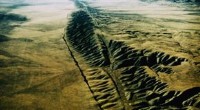
* Earthquakes: Earthquakes are caused by the sudden release of energy in the Earth's crust, often at plate boundaries. While they can cause significant changes to landscapes, they don't drive the long-term movement of continents.
In summary: Continental drift, driven by plate tectonics, is the primary force that created Gondwana and Laurasia.