1. Uplift and Erosion:
* Millions of years ago: The Appalachian Mountains were formed through a process of tectonic plate collisions. These mountains were significantly higher than they are today.
* Erosion: Over time, weathering and erosion from wind, rain, and rivers wore down the mountains, creating valleys and depositing sediments.
2. River Formation:
* Early Stage: As the Appalachian Mountains eroded, the Chattahoochee River began to form as a small stream flowing through the valleys.
* Gradual Growth: The river grew larger and longer as it carved its way through the soft sediments and eventually reached the Gulf Coastal Plain.
* Meandering: The river's course changed over time, meandering across the land, carving out its characteristic bends and curves.
3. The Fall Line:
* Geologic Shift: The Chattahoochee River, like many rivers in the southeast, encounters a major geological shift called the Fall Line. This line marks the transition from harder bedrock to softer sediments.
* Waterfalls and Rapids: The harder bedrock creates waterfalls and rapids, creating a natural barrier for navigation.
4. Modern Chattahoochee:
* Erosion and Deposition: The river continues to erode its banks and deposit sediment, shaping the landscape and forming floodplains.
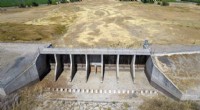
* Human Impact: The river has been significantly impacted by human activities, including damming, pollution, and urbanization.
In summary: The Chattahoochee River's formation is a result of uplift, erosion, and the gradual carving of a path through the landscape over millions of years. Its course has been shaped by both geological and human forces, resulting in the iconic river we see today.