Here's a breakdown:
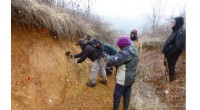
* Unconsolidated Rock: These are loose, fragmented materials like sand, gravel, or clay that haven't been cemented together.
* Indurated Rock: These are rocks that have undergone a process that has hardened them. This can happen through various methods like:
* Cementation: Minerals precipitate from groundwater, filling the spaces between sediment grains and binding them together.
* Recrystallization: Minerals within the rock change their structure or size, creating a more solid structure.
* Compaction: Pressure from overlying sediments squeezes out water and air, forcing the grains closer together.
* Metamorphism: Heat and pressure transform existing rocks, altering their mineral composition and making them harder.
Indurated rocks are more resistant to erosion and weathering, making them a common feature in landscapes. Examples include:
* Sandstone: Formed by cemented sand grains.
* Conglomerate: Formed by cemented gravel.
* Shale: Formed by compacted clay.
* Granite: A metamorphic rock that is incredibly hard.
So, the next time you see a solid, unyielding rock, remember, it's likely an indurated rock, a testament to the powerful forces that shaped our planet.