Here is a breakdown of the zones:
* Zone 1: Below -60°F (-51°C)
* Zone 2: -60°F to -50°F (-51°C to -45°C)
* Zone 3: -50°F to -40°F (-45°C to -40°C)
* Zone 4: -40°F to -30°F (-40°C to -34°C)
* Zone 5: -30°F to -20°F (-34°C to -29°C)
* Zone 6: -20°F to -10°F (-29°C to -23°C)
* Zone 7: -10°F to 0°F (-23°C to -18°C)
* Zone 8: 0°F to 10°F (-18°C to -12°C)
* Zone 9: 10°F to 20°F (-12°C to -7°C)
* Zone 10: 20°F to 30°F (-7°C to -1°C)
* Zone 11: Above 30°F (-1°C)
Here are some examples of how the zones affect plant growth:
* Zone 1: Only the hardiest plants, such as arctic willows and some grasses, can survive in this zone.
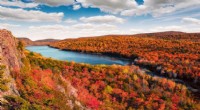
* Zone 5: Common deciduous trees, such as maples and oaks, thrive in this zone.
* Zone 10: Tropical plants, such as palms and citrus trees, can be grown outdoors in this zone.
It's important to note:
* The USDA Plant Hardiness Zones are just a general guide, and specific microclimates can affect plant hardiness.
* Factors like elevation, proximity to large bodies of water, and wind patterns can also influence plant growth.
* It's always best to consult a local nursery or gardening expert for specific advice on what plants will thrive in your area.
To find the USDA Plant Hardiness Zone for your specific location, you can use the USDA Plant Hardiness Zone Map online: [https://planthardiness.ars.usda.gov/](https://planthardiness.ars.usda.gov/)