Landforms are the natural features of the Earth's surface. They are shaped by a variety of processes, including:
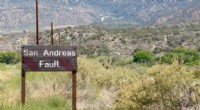
* Tectonic Activity: The movement of the Earth's tectonic plates creates mountains, valleys, and rift valleys.
* Weathering and Erosion: Wind, rain, ice, and other forces wear down rocks and reshape the landscape.
* Deposition: The process of depositing eroded material creates features like sand dunes, deltas, and alluvial fans.
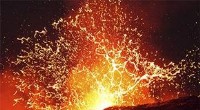
* Volcanic Activity: Volcanoes erupt and create cones, calderas, and lava flows.
Here are some of the major landform categories:
1. Mountains:
* Folded Mountains: Created by the compression of the Earth's crust, forming long, folded ranges (e.g., the Himalayas).
* Block Mountains: Created by faulting and uplift of the Earth's crust, forming steep cliffs and flat-topped plateaus (e.g., the Sierra Nevada).
* Volcanic Mountains: Created by the accumulation of lava and ash from volcanic eruptions (e.g., Mount Fuji).
2. Plateaus:
* High plateaus: Large, elevated areas of flat land (e.g., the Tibetan Plateau).
* Low plateaus: Lower elevation plateaus, often with gently rolling hills (e.g., the Colorado Plateau).
3. Plains:
* Coastal Plains: Low-lying areas adjacent to oceans (e.g., the Atlantic Coastal Plain).
* Interior Plains: Large, flat areas in the interior of continents (e.g., the Great Plains).
* Alluvial Plains: Created by the deposition of sediment by rivers (e.g., the Indus Valley).
4. Valleys:
* River Valleys: Cut by rivers and streams, often with a V-shaped profile (e.g., the Grand Canyon).
* Glacial Valleys: Carved by glaciers, typically U-shaped (e.g., Yosemite Valley).
* Rift Valleys: Created by the separation of tectonic plates, forming long, narrow depressions (e.g., the East African Rift Valley).
5. Other Landforms:
* Canyons: Deep, narrow valleys with steep sides (e.g., the Grand Canyon).
* Caves: Natural underground cavities formed by the dissolving of rocks (e.g., Carlsbad Caverns).
* Sand Dunes: Hillocks of sand formed by wind erosion and deposition (e.g., the Sahara Desert).
* Deltas: Fan-shaped deposits of sediment at the mouth of a river (e.g., the Nile Delta).
* Volcanic Features: Include cones, calderas, lava flows, and volcanic necks.
Note: This is not an exhaustive list. There are many other types of landforms, and the boundaries between them can be blurred.
It's important to understand how these landforms are created, how they interact with each other, and how they influence human activities.