Direct Impacts:
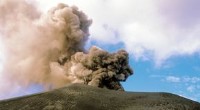
* Air pollution: Volcanic eruptions release large amounts of ash, gases (sulfur dioxide, carbon dioxide, hydrogen sulfide), and particulate matter into the atmosphere. This can cause respiratory problems, acid rain, and harm to vegetation.
* Climate change: Volcanic eruptions can inject massive amounts of aerosols into the stratosphere, reflecting sunlight and potentially cooling the Earth's surface. However, they also release greenhouse gases, which can contribute to global warming in the long term.
* Landslides and mudflows (lahars): Volcanic eruptions can trigger landslides and mudflows, especially when combined with heavy rainfall. These can bury communities, damage infrastructure, and disrupt ecosystems.
* Damage to infrastructure: Volcanic ash can damage buildings, power lines, and transportation systems.
* Impacts on agriculture: Volcanic ash can contaminate crops and livestock, leading to food shortages.
Indirect Impacts:
* Displacement of populations: Volcanic eruptions often force people to evacuate their homes, leading to displacement and social disruption.
* Economic losses: Volcanic activity can disrupt tourism, agriculture, and other industries, resulting in significant economic losses.
* Biodiversity loss: Volcanic eruptions can destroy habitats and kill wildlife.
Long-term Impacts:
* Soil fertility: Volcanic ash can enrich soil fertility, but it can also be toxic in high concentrations.
* Formation of new land: Volcanic eruptions can create new islands and landmasses, leading to changes in coastal environments.
Monitoring and Mitigation:
* Volcanic monitoring: Scientists closely monitor volcanic activity to predict eruptions and issue warnings.
* Evacuation plans: Governments and communities develop evacuation plans to minimize the impact of volcanic eruptions.
* Infrastructure resilience: Engineers design infrastructure to be more resistant to volcanic ash and other hazards.
Conclusion:
Volcanoes are a natural phenomenon that can have significant environmental and societal impacts. While eruptions are often unpredictable, monitoring, mitigation strategies, and careful planning can help reduce the risks and minimize the consequences. It is crucial to understand the potential hazards associated with volcanic activity and take appropriate steps to protect human lives and the environment.