Hydrologic Cycle:
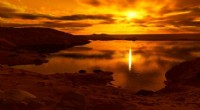
* Evaporation: Liquid water from oceans, lakes, and rivers transforms into water vapor, rising into the atmosphere.
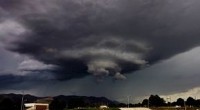
* Condensation: Water vapor cools and condenses, forming clouds.
* Precipitation: Water falls back to Earth as rain, snow, sleet, or hail.
* Runoff: Precipitation that flows over land, contributing to rivers, lakes, and oceans.
* Infiltration: Water seeps into the ground, replenishing groundwater.
* Transpiration: Plants release water vapor into the atmosphere through their leaves.
Other Cycles Influencing the Hydrosphere:
* Carbon Cycle: The movement of carbon between the atmosphere, hydrosphere, geosphere, and biosphere. This cycle influences ocean acidity and impacts marine life.
* Rock Cycle: The continuous process of rocks transforming between igneous, sedimentary, and metamorphic forms. This cycle affects the movement of water through the Earth's crust, influencing groundwater storage and flow.
* Nutrient Cycles: The movement of essential nutrients like nitrogen, phosphorus, and sulfur through different parts of the Earth system. These cycles influence the composition and productivity of aquatic ecosystems.
Tracking the Hydrosphere:
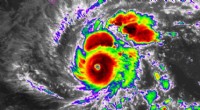
* Satellites: Satellites use remote sensing to monitor precipitation, evaporation, and ocean currents.
* Ground-based sensors: Weather stations, river gauges, and groundwater monitoring wells collect data on various aspects of the hydrosphere.
* Oceanographic research vessels: Ships equipped with sophisticated instruments measure ocean temperature, salinity, currents, and marine life.
* Computer models: Scientists use computer models to simulate and predict the movement of water within the hydrosphere.
It's important to note that these cycles are interconnected, and a change in one cycle can have significant impacts on the others. Understanding these cycles is crucial for managing water resources, mitigating the impacts of climate change, and protecting aquatic ecosystems.