* Divergent Plate Boundaries: These are areas where tectonic plates are moving apart from each other. The separation creates a gap, and the Earth's crust thins and weakens.
* Formation Process:
* As plates pull apart, the crust stretches and fractures, forming faults.
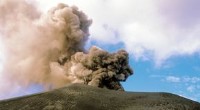
* Magma from the mantle rises to fill the gaps, causing volcanic activity.
* The land between the faults collapses, creating a depression known as a rift valley.
Examples of Rift Valleys:
* The East African Rift Valley: This is a prime example of a rift valley formed by the separation of the African Plate.
* The Mid-Atlantic Ridge: This underwater mountain range is also a divergent plate boundary and a rift valley.
Key Features of Rift Valleys:
* Fault Scarps: Steep cliffs formed by the movement of tectonic plates.
* Volcanic Activity: Often associated with rift valleys due to the rising magma.
* Elevated Terrain: The surrounding landmass often rises as the rift valley sinks.
* Linear Shape: Rift valleys typically extend for long distances.
Let me know if you want to know more about specific rift valleys!