Wind Patterns:
* Orographic Lifting: As air masses encounter mountains or hills, they are forced to rise. This upward movement is called orographic lifting. As the air rises, it cools adiabatically (due to expansion), leading to condensation and the formation of clouds. This is a major driver of precipitation on the windward side of mountains.
* Windward vs. Leeward Sides: The windward side of a mountain range receives the brunt of the wind, leading to increased precipitation. The leeward side, shielded from the wind, experiences a rain shadow effect with drier conditions.
* Valley Winds: During the day, valleys heat up faster than surrounding hills. This creates an upward flow of air known as a valley breeze. Conversely, at night, the valleys cool down faster, resulting in a downslope flow of air called a mountain breeze. These localized wind patterns can influence microclimates within valleys.
* Funneling Effect: Narrow canyons and valleys can funnel winds, increasing their speed and intensity. This can lead to localized windstorms.
Precipitation Patterns:
* Orographic Precipitation: As mentioned earlier, orographic lifting is a primary factor in mountain precipitation. The windward side of mountains experiences higher precipitation due to the forced ascent and cooling of air.
* Rain Shadow Effect: The leeward side of mountains is shielded from the wind, leading to lower precipitation. This dry area is known as a rain shadow.
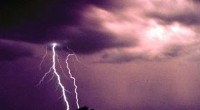
* Convective Precipitation: In mountainous regions, air that is heated by the sun can rise rapidly, leading to thunderstorms. This is particularly common in valleys during the summer months.
* Snow Accumulation: Mountains receive significant snowfall due to orographic lifting and cold temperatures at higher elevations. This snow accumulation can contribute to the formation of glaciers and influence the water cycle.
Examples:
* The Himalayas: The towering Himalayas block moisture-laden winds from the Indian Ocean, leading to heavy precipitation on the windward side and a rain shadow effect on the Tibetan Plateau.
* The Sierra Nevada: The Sierra Nevada mountains in California receive abundant precipitation on their western slopes, creating lush forests. However, the eastern slopes experience a rain shadow effect, resulting in the dry Mojave Desert.
Conclusion:
Topography significantly influences wind and precipitation patterns. The interaction between air masses and landforms creates complex microclimates and variations in weather across different elevations and slopes. Understanding these interactions is crucial for understanding regional climate patterns and managing resources.