Here are some examples:
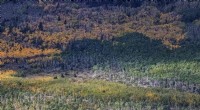
* The steppes of Iran: These are vast, semi-arid grasslands that cover a large portion of the country, particularly in the central and eastern regions.
* The Syrian steppe: Located in the eastern part of Syria, this area is characterized by its dry, semi-arid climate and sparse vegetation.
* The Arabian steppe: This is a vast desert area that covers most of the Arabian Peninsula. While primarily desert, it also includes pockets of grasslands in areas with higher rainfall or near water sources.
* The Anatolian steppe: This is a plateau region in Turkey characterized by its semi-arid climate and grassland vegetation.
Factors that contribute to the development of grasslands in the Middle East:
* Climate: The Middle East is known for its hot, arid climate, but there are regions with varying rainfall patterns that allow for grassland growth.
* Soil: The soils in some areas of the Middle East are suitable for grassland development.
* Grazing: Traditional herding practices have shaped the landscape, creating and maintaining grasslands in some regions.
However, grasslands in the Middle East are facing significant challenges:
* Overgrazing: Excessive livestock grazing can damage grasslands and lead to desertification.
* Climate change: Increasing temperatures and erratic rainfall patterns threaten grassland ecosystems.
* Land degradation: Human activities such as deforestation and urbanization are leading to the loss of grasslands.
Despite these challenges, efforts are underway to conserve and restore grasslands in the Middle East. These efforts involve sustainable grazing practices, reforestation, and water management strategies.