1. Minerals:
* Composition: Different minerals have different chemical compositions. These compositions determine how they absorb and reflect light, leading to distinct colors.
* For example, the iron oxide mineral hematite gives rocks a reddish-brown hue, while the presence of malachite (copper carbonate) results in green colors.
* Trace Elements: Even small amounts of certain elements, like manganese, chromium, or titanium, can significantly alter a mineral's color.
* A tiny bit of manganese can make a quartz crystal appear purple (amethyst), while chromium can give emerald its vibrant green.
2. Light Interaction:
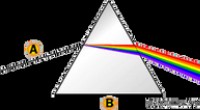
* Absorption and Reflection: Minerals absorb certain wavelengths of light and reflect others. The reflected wavelengths are what we see as color.
* Scattering: Light can also be scattered within a rock, causing the colors to appear different depending on the angle of observation.
3. Weathering and Oxidation:
* Chemical Reactions: Exposure to air, water, and other elements can cause chemical reactions on the surface of rocks, altering their color.
* Iron minerals, for example, can oxidize, creating rusty red and brown hues.
4. Grain Size and Texture:
* Surface Area: The surface area of a rock affects how light interacts with it. Fine-grained rocks with many tiny crystals often appear more muted than coarse-grained rocks with larger crystals.
* Texture: The arrangement of minerals within a rock (e.g., layered, banded, or random) can influence how light is reflected and scattered.
5. Other Factors:
* Presence of Organic Matter: Decomposed plant or animal material can contribute to the color of certain rocks, such as black shales.
* Artificial Dyes: Some rocks are artificially dyed to enhance their appearance.
Here are some examples of common rock colors and their causes:
* Red: Iron oxides (hematite, goethite)
* Brown: Iron oxides (limonite), manganese oxides
* Black: Carbon, iron sulfides, manganese oxides
* Green: Chlorite, epidote, serpentine, malachite
* Blue: Azurite, sodalite, lapis lazuli
* Purple: Amethyst (purple quartz), fluorite
Understanding the causes of color in rocks allows us to learn about their mineral composition, geological history, and the processes that have shaped them over time.