1. The Ring of Fire: The Pacific Ocean is home to the Ring of Fire, a horseshoe-shaped zone of intense seismic and volcanic activity. This zone is characterized by a high concentration of convergent plate boundaries, where tectonic plates collide.
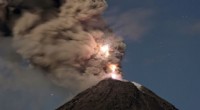
2. Subduction Zones: Along these convergent boundaries, denser oceanic plates are forced beneath lighter continental plates, a process called subduction. As the oceanic plate descends, it melts due to the intense heat and pressure deep within the Earth. This molten rock, known as magma, rises to the surface and erupts, creating volcanoes.
3. Hotspots: In addition to subduction zones, there are also hotspots beneath the Pacific Ocean. Hotspots are areas where plumes of extremely hot magma rise from deep within the Earth's mantle. As this magma reaches the surface, it creates volcanic chains like the Hawaiian Islands.
4. Plate Tectonics: The movement of tectonic plates is the primary driver of volcanic activity. The Pacific plate is constantly interacting with surrounding plates, leading to the formation of subduction zones and hotspots, which are responsible for the numerous volcanoes in the region.
In summary:
* The Pacific Ocean is located within the Ring of Fire, a zone of intense tectonic activity.
* Subduction zones, where oceanic plates are forced beneath continental plates, create volcanic arcs.
* Hotspots, areas of intense heat within the Earth's mantle, also contribute to volcanic activity.
Therefore, the Pacific Ocean is a prime location for volcanic activity due to the dynamic interactions of tectonic plates and the presence of subduction zones and hotspots.