Here's a breakdown of the process:
1. Weathering: This is the initial breakdown of rock and other materials at the source. Weathering can be caused by:
* Physical weathering: The breakdown of rock due to forces like freezing/thawing, abrasion, and pressure release.
* Chemical weathering: The breakdown of rock due to chemical reactions like oxidation, hydrolysis, and carbonation.
* Biological weathering: The breakdown of rock by living organisms such as plant roots, burrowing animals, and microorganisms.
2. Transportation: Once the sediment is broken down, it is transported away from the source by various agents:
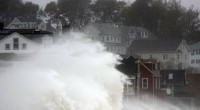
* Water: Rivers, streams, ocean waves, and currents are powerful agents of erosion and transport.
* Wind: Wind can carry fine sediment particles like sand and dust across vast distances.
* Ice: Glaciers can pick up and transport massive amounts of sediment, carving out valleys and transporting rocks.
* Gravity: Gravity plays a role in mass movements like landslides and rockfalls, moving sediment downslope.
3. Deposition: As the transporting agent loses energy, it drops the sediment it carries. This process is called deposition. Deposition can occur in various locations, such as:
* Rivers: At the mouth of a river where it meets the ocean, forming deltas.
* Oceans: Sediment carried by rivers and currents settle on the seabed, forming deep-sea sediments.
* Deserts: Wind-blown sediment can accumulate in dunes and other formations.
* Glaciers: As glaciers melt, they deposit sediment in moraines and other glacial landforms.
Factors Affecting Erosion:
* Climate: Precipitation, temperature, and wind patterns influence the rate and type of weathering and transportation.
* Geology: The type of rock and soil in an area will affect its susceptibility to erosion.
* Topography: The shape of the land, including slope and elevation, influences the movement of sediment.
* Human Activity: Land use practices such as deforestation, agriculture, and construction can significantly impact erosion rates.
Overall, erosion is a continuous process that shapes the Earth's surface and plays a vital role in the creation of landscapes, soil formation, and the cycling of nutrients.