1. Magma Formation:
* Plate Tectonics: Most volcanoes occur at plate boundaries where tectonic plates collide or separate.
* Convergent Boundaries: One plate subducts (sinks) beneath another, melting rock and forming magma.
* Divergent Boundaries: Plates move apart, allowing magma to rise from the mantle.
* Hot Spots: These are plumes of hot mantle material rising independently of plate boundaries, causing volcanic activity.
2. Magma Ascent:
* Buoyancy: Magma is less dense than surrounding rock, causing it to rise.
* Pressure: As magma rises, it encounters decreasing pressure, causing dissolved gases (like water vapor and carbon dioxide) to expand, further increasing pressure.
3. Eruption Trigger:
* Overpressure: The expanding gases and rising magma eventually exceed the strength of the surrounding rocks, causing a rupture and eruption.
* External Factors: Earthquakes, landslides, or even changes in pressure from nearby magma chambers can trigger eruptions.
Types of Eruptions:
* Explosive: High-viscosity magma (thick and sticky) traps gases, leading to powerful explosions and ash plumes.
* Effusive: Low-viscosity magma (thin and runny) allows gases to escape easily, resulting in lava flows.
Factors Affecting Eruption Severity:
* Magma Composition: The amount of dissolved gases, silica content, and temperature influence the eruption's intensity.
* Eruption Style: Different eruption styles (Hawaiian, Strombolian, Plinian, etc.) produce different types of volcanic activity.
Monitoring and Prediction:
* Scientists monitor volcanoes for signs of unrest, including:
* Ground deformation (swelling)
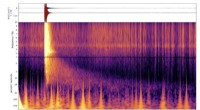
* Increased seismic activity
* Changes in gas emissions
* Alterations in heat flow
While predicting volcanic eruptions with absolute certainty is impossible, monitoring and research help us understand the risks and prepare for potential hazards.