Trench formation is a direct result of convergent plate boundaries, where two tectonic plates collide. Here's a breakdown of how and where this happens:
1. The Process:
* Subduction: When two plates collide, the denser plate (usually oceanic) bends and slides beneath the less dense plate (either oceanic or continental). This process is called subduction.
* Downward Pull: As the subducting plate descends, it pulls the leading edge of the overriding plate downwards, forming a deep depression in the ocean floor – the trench.
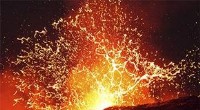
* Magma Generation: The subducting plate melts as it descends into the Earth's mantle, generating magma. This magma rises to the surface, often forming volcanic arcs on the overriding plate.
2. Types of Convergent Boundaries:
* Oceanic-Oceanic: When two oceanic plates collide, the older, denser plate subducts. This creates a deep ocean trench and a volcanic island arc. Examples: Mariana Trench, Japan.
* Oceanic-Continental: When an oceanic plate collides with a continental plate, the denser oceanic plate subducts. This forms a deep ocean trench and a chain of volcanoes on the continental side. Examples: Peru-Chile Trench, Andes Mountains.
* Continental-Continental: When two continental plates collide, neither plate is easily subducted. This results in intense folding and faulting, leading to mountain ranges. Examples: Himalayas, Alps.
3. Trench Characteristics:
* Deepest Depressions: Trenches are the deepest depressions in the Earth's surface, often reaching depths of 7 to 11 kilometers.
* Linear Features: Trenches are long, linear features that typically extend for hundreds or thousands of kilometers.
* Associated Features: Trenches are often associated with volcanic arcs, earthquakes, and accretionary prisms (wedge-shaped masses of sediment scraped off the subducting plate).
In Summary: Trenches form at convergent plate boundaries where one plate slides beneath another, pulling the overriding plate downwards and creating a deep depression in the ocean floor. This process is driven by the density difference between the two plates and is responsible for some of the most dramatic and powerful geological features on Earth.