1. Plate Tectonics:
* The Earth's crust is divided into massive plates that move slowly across the mantle. This movement, known as plate tectonics, is driven by convection currents within the mantle.
* At divergent plate boundaries, new crust is formed as magma rises from the mantle and solidifies. This process, called seafloor spreading, creates new oceanic crust and expands the ocean basins.
* At convergent plate boundaries, plates collide. This collision can result in:
* Subduction: One plate is forced beneath the other, where it melts and eventually rises back to the surface, potentially forming volcanic arcs and mountains.
* Continental collision: When two continental plates collide, they buckle and fold, creating mountain ranges like the Himalayas.
2. Volcanic Activity:
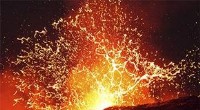
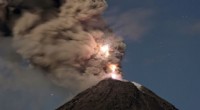
* Volcanoes are formed when magma rises to the surface and erupts. Volcanic eruptions release lava, ash, and gases, which can build up over time to create islands and mountain ranges.
* Volcanic islands and landmasses can eventually join together through the process of accretion, where smaller pieces of land are added to larger ones.
3. Erosion and Deposition:
* Erosion is the process of wearing away and transporting rock and soil by wind, water, and ice. This process can shape landforms, create valleys, and transport sediment.
* Deposition is the process of dropping sediment that has been transported by erosion. This process can build up landforms, such as deltas, alluvial plains, and beaches.
4. Glacial Activity:
* Glaciers are massive sheets of ice that move slowly across the land, carving out valleys and shaping the landscape.
* Glaciers can also deposit sediment, creating features like moraines and eskers.
5. Climate Change:
* Climate change can impact the rate of erosion, deposition, and glacial activity, which in turn affects the shape and size of landmasses.
Timeline of Landmass Formation:
* Early Earth (4.5 billion years ago): The Earth was likely a molten ball with no continents.
* Early Continental Formation (3.8-2.5 billion years ago): The first continents began to form through volcanic activity and accretion. These early continents were likely small and unstable.
* Supercontinents (2.5 billion years ago - present): Over time, continents have collided and merged to form supercontinents like Rodinia and Pangaea.
* Modern Continents (200 million years ago - present): The breakup of Pangaea and the ongoing movement of tectonic plates have shaped the continents as we know them today.
It's important to note that the formation of landmasses is a continuous process, and the Earth's surface is still changing today.