Historical Impacts:
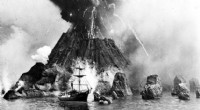
* The Destruction of Pompeii and Herculaneum: The most famous eruption of Vesuvius occurred in 79 AD, burying the Roman cities of Pompeii and Herculaneum under volcanic ash and pumice. This event provided invaluable insights into Roman life and society, as the cities were preserved in a time capsule.
* Impact on Roman Civilization: While the eruption of 79 AD was devastating, it also influenced Roman culture. The event served as a reminder of the power of nature and prompted advancements in architecture and engineering to better withstand natural disasters.
* Continuing Eruptions: Vesuvius has erupted numerous times throughout history, causing varying degrees of damage to nearby towns and villages. These eruptions have shaped the landscape and influenced settlement patterns in the region.
Cultural Impacts:
* Tourism: Mount Vesuvius is a major tourist attraction, drawing visitors from around the world who are fascinated by its history and the preserved ruins of Pompeii and Herculaneum.
* Mythology and Literature: Vesuvius has been a source of inspiration for artists, writers, and poets throughout history. It features prominently in mythology and literature, often portrayed as a symbol of both beauty and destruction.
Environmental Impacts:
* Fertile Soil: Volcanic ash and lava deposits have enriched the soil in the region, making it fertile and ideal for agriculture. This has contributed to the agricultural prosperity of Campania.
* Natural Hazard: Vesuvius remains an active volcano, posing a constant threat to the surrounding areas. The potential for future eruptions requires careful monitoring and disaster preparedness measures.
* Landscape Shaping: Volcanic eruptions have shaped the topography and coastline of the region. The landscape is characterized by volcanic cones, craters, and lava flows.
Modern Impacts:
* Observatory: The Vesuvius Observatory was established in 1841 to monitor volcanic activity and provide early warnings of potential eruptions. This has helped to protect local populations and infrastructure.
* Economic Significance: Vesuvius continues to be a significant economic driver for the region, generating income from tourism, agriculture, and scientific research.
In conclusion, Mount Vesuvius has played a complex and enduring role in the history, culture, and environment of Italy. It has left behind both destruction and beauty, shaping the landscape, inspiring the imagination, and constantly reminding people of the power of nature.