1. The Great Polish Plain (Nizińá Polska):
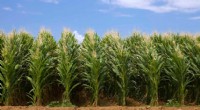
* Occupies the majority of Poland (around 75%).
* Characterized by flat, fertile land with gentle rolling hills.
* Divided into smaller regions like the Mazovian Lowland, the Greater Poland Lowland, and the Silesian Lowland.
* Ideal for agriculture and heavily populated.
2. The Polish Uplands (Wyżyná Polska):
* A series of hills and plateaus located in central and southern Poland.
* Include regions like the Kraków-Częstochowa Upland, the Świętokrzyskie Mountains, and the Lublin Upland.
* Less fertile than the plains, but still suitable for farming and forestry.
3. The Sudetes Mountains (Sudety):
* Located in southwestern Poland, bordering the Czech Republic.
* A range of medium-altitude mountains (up to 1602 meters).
* Known for their scenic beauty, mineral springs, and ski resorts.
4. The Carpathian Mountains (Karpaty):
* The southern border of Poland, shared with Slovakia and Ukraine.
* Include the Beskid Mountains, the Tatra Mountains, and the Bieszczady Mountains.
* The highest peak in Poland, Mount Rysy (2499 meters), is located in the Tatra Mountains.
* Popular for hiking, climbing, and winter sports.
5. The Baltic Coast (Wybrzeże Bałtyckie):
* Poland has a relatively short coastline along the Baltic Sea.
* Features sandy beaches, lagoons, and coastal dunes.
* Includes the popular beach resorts of Sopot and Gdynia.
6. Lakes and Rivers:
* Poland has numerous lakes, including the largest in Poland, Lake Śniardwy.
* The most important rivers include the Vistula, Oder, and Bug rivers.
* These waterways contribute to the country's diverse ecosystem and transportation routes.
This is just a brief overview, and each landform within Poland has its own unique characteristics and features. Poland's diverse geography offers a wide range of natural beauty, recreational opportunities, and cultural heritage.