Kansas, nicknamed the "Sunflower State," is known for its vast, rolling plains and diverse geography. Here's a breakdown:
Landforms:
* Great Plains: Kansas sits firmly within the Great Plains region, with its gently rolling hills, vast prairies, and fertile soils. The landscape gradually slopes downward from west to east, with elevations ranging from 4,000 feet in the west to just over 800 feet in the east.
* Flint Hills: This unique region in central Kansas is characterized by its distinctive tallgrass prairie, covered by native grasses that can grow over 6 feet tall. The Flint Hills are home to numerous cattle ranches and are known for their scenic beauty.
* Smoky Hills: Located west of the Flint Hills, this region features rolling hills covered in shortgrass prairie and dotted with numerous canyons and bluffs. The Smoky Hills are named for the smoky haze that often hangs in the air due to the presence of chalky limestone formations.
* High Plains: In western Kansas, the landscape becomes more arid and flat, with the High Plains dominating the region. These plains are characterized by shortgrass prairie, dryland farming, and the occasional butte (isolated hill).
Rivers and Water Bodies:
* The Arkansas River: The longest river in Kansas, the Arkansas River flows through the state from west to east, providing water for irrigation and recreation.
* The Missouri River: While the Missouri River doesn't flow through Kansas, it forms the northern border of the state, separating it from Nebraska.
* Other Rivers: Kansas is home to several other rivers, including the Kansas River, the Big Blue River, and the Republican River.
* Reservoirs and Lakes: Kansas boasts a network of man-made lakes and reservoirs, including Lake Cheney, Milford Lake, and Tuttle Creek Lake, which provide water for recreation, fishing, and wildlife habitat.
Climate:
* Continental Climate: Kansas experiences a humid continental climate, with hot, humid summers and cold, snowy winters.
* Variable Precipitation: Rainfall is variable across the state, with the eastern regions receiving more precipitation than the western regions.
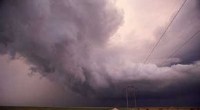
* Severe Weather: Kansas is known for its severe weather, including tornadoes, hailstorms, and high winds.
Natural Resources:
* Agriculture: Kansas is known as the "Breadbasket of America," with vast tracts of land dedicated to growing wheat, corn, soybeans, and sorghum.
* Oil and Natural Gas: The western portion of the state has significant deposits of oil and natural gas.
* Wind Power: The plains of Kansas provide excellent conditions for wind power generation, and the state has become a leader in wind energy production.
Overall, Kansas's geography offers a diverse landscape, providing a rich backdrop for agriculture, industry, and recreation. The state's unique character and natural resources make it a fascinating place to explore.