1. Water:
* Rivers: Rivers carry sediment downstream, from mountains to valleys, and eventually to lakes, oceans, or deltas. The size and type of sediment carried depend on the river's flow rate and gradient.
* Ocean currents: Ocean currents transport sediment along coastlines and across vast distances.
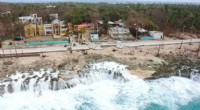
* Waves: Waves erode shorelines and carry sediment away, depositing it in offshore areas.
* Rain: Rainwater can erode soil and transport it downhill.
2. Wind:
* Deserts: Wind can pick up loose sand and dust, carrying it for long distances, forming sand dunes and depositing sediment in new locations.
* Coastal areas: Wind can carry sand and other sediment inland, forming sand dunes or eroding coastal cliffs.
3. Ice:
* Glaciers: Glaciers, massive sheets of ice, carve out valleys and transport sediment embedded within them. When glaciers melt, they deposit sediment in new locations, forming moraines and other glacial landforms.
4. Gravity:
* Landslides: Gravity can cause landslides, which transport large amounts of sediment downhill.
* Soil creep: Gradual movement of soil downslope due to gravity, also known as soil creep, can transport sediment over long periods.
The eroded material is ultimately deposited in various locations, depending on the agent of erosion:
* Oceans: Rivers, waves, and currents deposit sediment into the ocean, forming beaches, sandbars, and other coastal landforms.
* Lakes: Rivers, runoff, and wind can deposit sediment into lakes, forming deltas, beaches, and sediment layers on the lake bed.
* Deltas: Rivers deposit sediment at their mouths, forming deltas, which are areas of fertile land.
* Sand dunes: Wind deposits sand in various locations, creating sand dunes.
* Glacial valleys and moraines: Glaciers deposit sediment in valleys and form moraines when they melt.
* Soil: Soil can be eroded by wind, water, and gravity, and transported downhill or into other areas.
The transportation and deposition of eroded material are essential processes in shaping Earth's surface and influencing the development of landscapes, ecosystems, and human settlements.