Here's why:
* Precipitation: The Great Plains receive relatively low amounts of rainfall, typically ranging from 15 to 25 inches per year. This is not enough to support lush forests, but more than a true desert.
* Temperature: The region experiences hot summers and cold winters. Temperatures can fluctuate greatly throughout the year, with extreme heat in the summer and bitter cold in the winter.
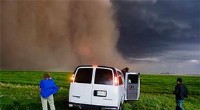
* Wind: The Great Plains are known for their strong winds, which can contribute to dry conditions and soil erosion.
It's important to note that there are variations within the semi-arid climate of the Great Plains. The western portion, closer to the Rocky Mountains, tends to be drier and colder than the eastern portion.
Therefore, while the Great Plains is not a desert, it is not a humid environment either. The semi-arid climate significantly impacts the vegetation, wildlife, and agriculture of the region.