Immediate Impacts:
* Lahars: The most destructive consequence was the eruption-triggered lahar, a fast-moving mudflow. It buried the town of Armero, killing over 23,000 people. The lahar also heavily damaged the surrounding areas, destroying crops, infrastructure, and causing widespread environmental damage.
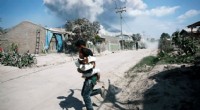
* Ashfall: The volcanic ash blanketed the surrounding areas, affecting agriculture and livestock, damaging crops and contaminating water sources. It also caused respiratory problems in humans and animals.
* Air Pollution: The eruption released sulfur dioxide and other gases into the atmosphere, contributing to air pollution and impacting air quality.
Long-Term Impacts:
* Soil Degradation: The lahar deposited a thick layer of sediment, burying fertile land and altering soil composition, making it difficult for crops to grow.
* Water Contamination: The lahar contaminated rivers and water sources with volcanic debris, making them unsafe for human consumption and harming aquatic life.
* Ecological Damage: The eruption and its aftermath led to significant ecological damage, destroying habitats, affecting biodiversity, and disrupting natural ecosystems.
* Climate Change: The eruption released large amounts of greenhouse gases, contributing to global warming and climate change.
Recovery and Mitigation Efforts:
* Reforestation: Reforestation efforts were initiated to restore the damaged forests and prevent soil erosion.
* Water Treatment: Infrastructure for water treatment and purification was developed to ensure safe drinking water for the affected population.
* Disaster Preparedness: Lessons from the 1985 eruption led to improvements in disaster preparedness, including early warning systems and evacuation plans.
Conclusion:
The 1985 eruption of Nevado del Ruiz was a tragic event that had significant and lasting impacts on the local environment. The eruption caused widespread destruction, ecological damage, and long-term environmental challenges. While recovery efforts are underway, the scars of the disaster are still visible in the affected areas. The experience serves as a reminder of the potential hazards of volcanic activity and the importance of disaster preparedness and mitigation efforts.