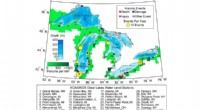
1. Spatial Analysis: Both disciplines use spatial analysis to understand the distribution, patterns, and relationships of phenomena across space. They utilize maps, geographic information systems (GIS), and other spatial tools to analyze and visualize their findings.
2. Interdisciplinary Nature: Both human and physical geography draw on knowledge from other disciplines. Human geography relies on sociology, economics, political science, and anthropology, while physical geography draws from geology, meteorology, biology, and ecology.
3. Focus on the Earth System: Both disciplines acknowledge the interconnectedness of the Earth's physical and human systems. Physical processes shape human societies, and human activities influence the physical environment.
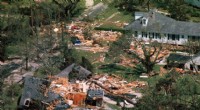
4. Understanding Environmental Change: Both disciplines contribute to understanding environmental change, both natural and human-induced. Physical geography studies climate change, natural hazards, and landform evolution, while human geography investigates the impact of human activities on the environment and the consequences for human societies.
5. Scale of Analysis: Both disciplines can study phenomena at various scales, from local to global. For example, a human geographer might study migration patterns in a particular city, while a physical geographer might study the impact of climate change on a global scale.
6. Environmental Issues: Both fields are increasingly concerned with environmental issues such as pollution, resource depletion, and biodiversity loss. They work to understand these issues and develop solutions.
7. Importance of Observation: Both disciplines rely heavily on observation and data collection. Physical geography uses fieldwork, remote sensing, and climate models, while human geography uses surveys, interviews, and archival research.
In essence, both human and physical geography aim to understand the complex interactions between humans and their environment. Their research often overlaps, and a holistic understanding of the Earth requires integrating insights from both disciplines.