* Sedimentary Rocks: Formed from the accumulation and cementation of sediments like sand, mud, or organic matter. Examples include sandstone, limestone, and shale.
* Metamorphic Rocks: Formed when existing rocks (igneous, sedimentary, or even other metamorphic rocks) are transformed by heat, pressure, or chemically active fluids. Examples include marble (from limestone), slate (from shale), and gneiss (from granite).
* Rocks made from biological processes: These include things like coal (from decayed plant matter), coral (from marine organisms), and some types of limestone (from the accumulation of shells).
* Man-made materials: Anything created by humans, like concrete, bricks, and asphalt, is not a naturally occurring rock.
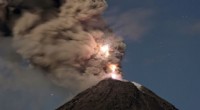
Key takeaway: The defining characteristic of an igneous rock is that it is formed from the cooling and solidification of magma (molten rock below the Earth's surface) or lava (molten rock erupted onto the surface). Any rock that doesn't have this origin is not an igneous rock.