Negative Impacts:
* Erosion: The most immediate and obvious effect is erosion. Wind-driven sand acts like sandpaper, wearing away rocks, soil, and vegetation. This can lead to:
* Loss of topsoil: Essential nutrients are blown away, making it difficult for plants to grow.
* Desertification: Land becomes barren and unusable.
* Dust Bowl Formation: Extreme cases can result in large-scale dust storms that blanket vast areas, like the Dust Bowl of the 1930s in the US.
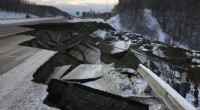
* Damage to Infrastructure: Sandstorms can damage buildings, roads, power lines, and other infrastructure. This can lead to disruptions in transportation, communication, and power supply.
* Health Problems: Sandstorms carry fine dust particles that can be inhaled, leading to respiratory problems, eye irritation, and other health issues.
* Reduced Visibility: Sandstorms can severely reduce visibility, making driving and air travel dangerous.
* Impact on Agriculture: Sandstorms can damage crops, bury livestock, and pollute water sources, affecting agricultural productivity.
Positive Impacts:
* Nutrient Transport: While sandstorms can erode topsoil, they also transport nutrients from one location to another. This can sometimes benefit areas that are nutrient-poor.
* Soil Formation: In some areas, sandstorms can deposit sediment, helping to form new soil.
* Climate Regulation: Sandstorms can carry dust particles that can affect cloud formation and precipitation patterns, impacting regional and even global climate.
* Ocean Fertility: Dust from sandstorms can reach the ocean, providing nutrients that support marine life.
Overall Impact:
The overall impact of sandstorms on the land is generally negative, especially in arid and semi-arid regions where vegetation is scarce. However, sandstorms can also play a role in the natural processes of nutrient transport and soil formation.
Reducing the Impacts:
* Sustainable Land Management: Practices like afforestation, agroforestry, and sustainable agriculture can help stabilize the land and reduce erosion.
* Windbreaks: Planting trees and shrubs can act as windbreaks, slowing down wind speeds and reducing the impact of sandstorms.
* Dust Control Measures: Techniques like spraying water or using dust suppressants can help reduce the amount of dust in the air.
* Early Warning Systems: Developing and implementing early warning systems can allow people to prepare for sandstorms and minimize potential damage.
It's important to note that the impacts of sandstorms vary depending on the intensity and duration of the storm, the type of land, and the region.