A volcanic eruption is a dramatic and powerful event that occurs when molten rock, ash, and gases escape from the Earth's interior. Here's a breakdown of the key processes:
1. Magma Formation and Ascent:
* Deep within the Earth: Magma, molten rock, forms when temperatures and pressure are high enough to melt the surrounding rocks.
* Buoyancy: Magma is less dense than the surrounding solid rock, causing it to rise towards the surface.
* Fractures and Conduits: The magma travels through fractures and conduits in the Earth's crust, often gathering in magma chambers.
2. Eruption Trigger:
* Pressure Buildup: As magma accumulates, the pressure inside the chamber increases.
* Volcanic Gases: Magma contains dissolved gases like water vapor, carbon dioxide, and sulfur dioxide. As pressure decreases, these gases expand, further increasing the internal pressure.
* Triggers: Eruptions can be triggered by various factors:
* Earthquakes: Seismic activity can fracture the crust, allowing magma to rise.
* Changes in pressure: Changes in tectonic forces can alter pressure on the magma chamber.
* Magma injection: New magma injections into the chamber can increase pressure.
3. Eruption Styles:
* Explosive Eruptions: These are driven by the rapid expansion of gases, resulting in powerful explosions that can send ash and debris high into the atmosphere.
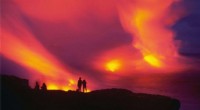
* Effusive Eruptions: These involve the slow and steady flow of lava, often creating lava flows and shield volcanoes.
* Phreatic Eruptions: These occur when magma interacts with groundwater, generating steam explosions that can be highly explosive.
4. Eruption Products:
* Lava Flows: Molten rock that flows over the surface, varying in viscosity and speed depending on composition and temperature.
* Pyroclastic Flows: High-speed, hot, and deadly avalanches of ash, gas, and rock fragments.
* Volcanic Ash: Fine particles of rock and glass that can blanket wide areas, disrupt air travel, and cause respiratory problems.
* Volcanic Gases: Various gases including water vapor, carbon dioxide, sulfur dioxide, and hydrogen sulfide, which can have environmental impacts and affect air quality.
5. Impacts of Eruptions:
* Environmental Damage: Volcanic eruptions can cause significant environmental damage, including air and water pollution, habitat destruction, and climate change.
* Human Impacts: Eruptions can threaten human life, destroy infrastructure, and disrupt transportation and economic activity.
Note: This is a simplified overview of volcanic eruptions. The actual processes are much more complex and vary depending on the type of volcano, magma composition, and other factors.