1. Understanding Earth's History:
* Dating Rocks and Events: The layers of sediment deposited over time create a geological timeline. By analyzing the types of rocks and fossils found in each layer, scientists can determine the age of the rock and understand the environment that existed in that place at that time.
* Past Climate and Environments: The type of sediment deposited reveals clues about the past climate. For example, sandstone may indicate a desert environment, while limestone indicates a marine environment.
* Plate Tectonics: The movement of tectonic plates influences the flow of water and the deposition of sediment. Studying these patterns can help scientists understand how the Earth's continents have shifted over millions of years.
2. Resources and Mineral Exploration:
* Identifying Mineral Deposits: Certain minerals are often associated with specific types of sediment. By understanding the geological processes that led to the deposition of these sediments, scientists can locate potential mineral deposits.
* Locating Groundwater: The flow of water through rock formations helps scientists identify potential aquifers where groundwater is stored.
* Predicting Oil and Gas Reserves: Sedimentary rocks are often the source of oil and gas. Studying the flow of water and sediment deposition helps predict where these resources might be found.
3. Understanding Natural Hazards:
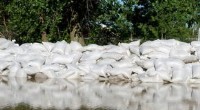
* Flood Prediction: By studying the flow of water and the sediments it carries, scientists can better understand the risks of flooding and predict potential flood zones.
* Erosion and Landslides: The erosion of sediment can lead to landslides and other geological hazards. Understanding the factors that contribute to erosion can help mitigate these risks.
4. Environmental Studies:
* Water Quality: The flow of water can transport pollutants and sediment, impacting water quality. Scientists use sediment analysis to assess water quality and understand pollution sources.
* Ecological Impact: Sediment deposition can influence the habitats of aquatic organisms. Scientists use this information to study the impact of human activities on ecosystems.
5. Engineering and Construction:
* Building Foundations: Understanding the properties of sediment and the flow of water is crucial for designing stable foundations for buildings and infrastructure.
* Dam Construction: Scientists study sediment flow to predict how dams will impact the environment and to design effective sediment management strategies.
Overall, the flow of water and its deposits provide a wealth of information about the Earth's history, resources, and natural processes. By studying these geological processes, scientists can gain valuable insights into the past, present, and future of our planet.