How glaciers influence canyon formation:
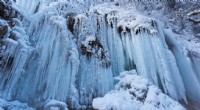
* Erosion: Glaciers are powerful agents of erosion. As they move, they carve through the landscape, scooping out rock and sediment. If a glacier flows through a pre-existing river valley, its erosive power can deepen and widen the valley, eventually creating a canyon.
* U-shaped valleys: Glaciers carve distinctive U-shaped valleys with steep sides and flat bottoms. These valleys can form canyons, especially if the glacier melts and leaves behind a river that continues to erode the valley.
* Hanging valleys: Glaciers often carve side valleys that are higher than the main valley. When the glacier melts, these side valleys can become hanging valleys, with waterfalls cascading down the steep drop. This is a common feature in glaciated landscapes and can contribute to the formation of canyons.
* Cirques: Glaciers can carve bowl-shaped depressions called cirques. These cirques can erode back into a mountainside, eventually creating a steep-sided canyon.
* Fjords: In coastal areas, glaciers can carve out deep, narrow inlets called fjords. Fjords are essentially canyons that have been flooded by seawater.
Example:
The Yosemite Valley, famous for its granite cliffs and waterfalls, is a prime example of how glaciers can shape canyons. The valley was carved by a massive glacier during the last Ice Age. While the valley was initially shaped by the Merced River, the glacier deepened and widened the valley, creating the dramatic features we see today.
To summarize:
While glaciers don't directly create canyons, they play a significant role in shaping and expanding them. Their erosive power can deepen, widen, and even create new valleys, which can become canyons when the glacier melts and a river continues to erode the landscape.