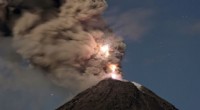
* Ring of Fire: This horseshoe-shaped zone around the Pacific Ocean is home to about 75% of the world's active volcanoes. It's formed by the movement of tectonic plates, where one plate slides under another (subduction). This process creates magma that rises to the surface, forming volcanoes.
* Mid-Ocean Ridges: These underwater mountain ranges are formed by the separation of tectonic plates. Magma rises from the Earth's mantle and solidifies, creating new crust and volcanoes.
* Continental Rift Zones: These areas are where continents are being pulled apart, creating rifts. Magma rises to the surface, forming volcanoes. Examples include the East African Rift Valley and the Basin and Range Province in the western United States.
* Hotspots: These are areas where magma plumes rise from deep within the Earth's mantle. They can create volcanoes on both land and in the ocean. Examples include Hawaii and Yellowstone National Park.
So, while volcanoes are not exclusive to one part of the world, they are concentrated in these areas due to specific geological processes.