Inside a Volcano:
* Magma Chamber: This is the main reservoir of molten rock (magma) beneath the Earth's surface.
* Conduit (or Pipe): A channel or passageway that connects the magma chamber to the surface.
* Vent: The opening at the top of the volcano where magma erupts.
* Crater: A bowl-shaped depression at the summit of the volcano, formed by the explosion or collapse of the volcano's central vent.
* Volcanic Neck: Solidified magma that fills the conduit, often exposed after erosion.
* Lava Flow: Molten rock that flows from the vent or a crack in the volcano's side.
* Pyroclastic Material: Fragments of rock, ash, and gas ejected from the volcano during an eruption. This can include:
* Ash: Fine particles of volcanic glass.
* Blocks and Bombs: Larger, solidified pieces of lava.
* Lapilli: Small, pea-sized to walnut-sized volcanic rock fragments.
Outside a Volcano:
* Volcanic Cone: The cone-shaped structure built up by layers of lava, ash, and other volcanic materials.
* Flank: The sides of the volcano.
* Caldera: A large, circular depression formed by the collapse of the volcano's summit after a major eruption.
* Lava Flow: Molten rock that spreads out from the vent.
* Pyroclastic Deposits: Layers of ash, blocks, bombs, and lapilli that accumulate around the volcano.
* Lava Tubes: Underground tunnels formed by flowing lava.
* Volcanic Features: Other geological features associated with volcanoes, such as:
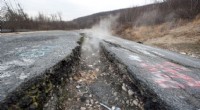
* Fissures: Cracks in the Earth's surface through which lava can erupt.
* Solfatara: A vent that releases sulfurous gases.
* Geysers: Hot springs that periodically erupt columns of water and steam.
* Hot Springs: Areas of heated groundwater.
Important Note: Volcanoes come in many shapes and sizes, so not all volcanoes will have all these features.