Here's why:
* Venus: While Venus has a very thick atmosphere, it is primarily composed of carbon dioxide and is extremely hot and toxic due to a runaway greenhouse effect.
* Mars: Mars has a very thin atmosphere, mostly composed of carbon dioxide. It's far too thin to support life as we know it.
* Mercury: Mercury essentially has no atmosphere to speak of. It's too small and its gravity is too weak to hold onto any significant amount of gases.
Earth's atmosphere is unique because it's:
* Just the right thickness: It's dense enough to protect us from harmful solar radiation and meteoroids, but not so dense that it suffocates us.
* The right composition: It contains a mix of gases, including oxygen, nitrogen, and carbon dioxide, which support life and regulate temperature.
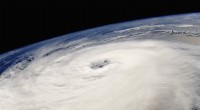
* Dynamic: It's constantly moving and evolving, creating weather patterns, climate, and a habitable environment.
So, while other rocky planets may have some atmospheric components, only Earth has a complex and well-developed atmosphere that sustains life as we know it.