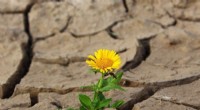
* Weathering and Erosion: Igneous rocks, exposed at the surface, are broken down by weathering (wind, rain, ice) and erosion (transporting the broken pieces). These fragments then become sediment that can be deposited and eventually lithified (turned into rock).
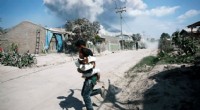
* Volcanic Ash: Volcanic eruptions can produce massive amounts of ash that can be deposited and compacted, eventually forming a type of sedimentary rock called tuff.
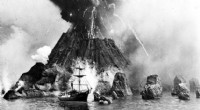
* Volcanic Breccia: Igneous rocks can be fragmented by volcanic explosions, creating a breccia that is later cemented together.
Here are some examples of sedimentary rocks formed from igneous deposits:
* Sandstone: Often contains grains of quartz, feldspar, and other minerals eroded from igneous rocks.
* Conglomerate: Composed of rounded pebbles and cobbles that may have originated from eroded igneous rocks.
* Mudstone and Shale: These fine-grained sedimentary rocks can contain clay minerals derived from the weathering of igneous rocks.
* Tuff: As mentioned above, this volcanic rock is formed from compacted volcanic ash.
So, while igneous rocks are the source of many sedimentary rocks, they are not the only source. Sedimentary rocks can also form from other sedimentary rocks, metamorphic rocks, and even biological materials.