Local Impacts:
* Direct Destruction: Eruptions can cause immediate devastation through pyroclastic flows, lava flows, and volcanic ash fall, destroying buildings, infrastructure, and vegetation.
* Air Quality: Volcanic ash poses a significant health hazard, causing respiratory problems and contaminating water supplies.
* Climate Change: Major eruptions can release massive amounts of sulfur dioxide into the atmosphere, reflecting sunlight and causing temporary cooling.
* Economic Disruption: Eruptions can disrupt transportation, tourism, and agriculture, impacting local economies.
Global Impacts:
* Climate Change: Large-scale eruptions can inject sulfur dioxide into the stratosphere, creating a sulfuric acid aerosol that can linger for years, leading to global cooling.
* Acid Rain: Volcanic gases can react with atmospheric water, producing acid rain, which can damage forests, crops, and buildings.
* Atmospheric Composition: Eruptions release various gases, including carbon dioxide, which contribute to greenhouse gas emissions and climate change.
* Global Food Security: Volcanic ash can disrupt agricultural production, leading to food shortages and price increases.
* Aviation Safety: Volcanic ash can pose a significant threat to aircraft, leading to flight disruptions and potential accidents.
Examples of Global Impacts:
* The eruption of Mount Tambora in 1815: Considered one of the most powerful eruptions in recorded history, it led to the "Year Without a Summer" in 1816 due to global cooling.
* The eruption of Mount Pinatubo in 1991: This eruption significantly reduced global temperatures for several years.
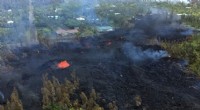
* The ongoing eruption of Kilauea in Hawaii: While primarily a local concern, the eruption has released large amounts of sulfur dioxide, impacting air quality across the Pacific.
Long-Term Impacts:
* Soil Fertility: Volcanic ash can enrich soil with nutrients, leading to increased agricultural productivity.
* Island Formation: Underwater eruptions can create new islands and expand landmasses.
* Geothermal Energy: Volcanic activity provides a source of renewable energy in the form of geothermal power.
It's important to note:
* The severity of impacts depends on the scale and location of the eruption.
* Human activities like deforestation and urbanization can amplify the negative effects of volcanic eruptions.
* Ongoing research and monitoring efforts are crucial for understanding volcanic activity and mitigating potential hazards.
By understanding the global impacts of volcanic eruptions, we can better prepare for and mitigate these natural events, ensuring the safety and well-being of people and the environment.