Here's a breakdown:
* Weathering is the breakdown of rocks, soil, and minerals through direct contact with the Earth's atmosphere, water, and biological organisms.
* Physical weathering is the mechanical breakdown of rocks into smaller pieces. This can be caused by:
* Abrasion: The grinding and scraping of rocks against each other, often by wind, water, or ice. This is how edges get roughened.
* Frost wedging: Water seeps into cracks in rocks, freezes, expands, and puts pressure on the rock, causing it to break.
* Thermal stress: Rocks expand and contract with changes in temperature, causing stress that can lead to fracturing.
* Chemical weathering is the breakdown of rocks through chemical reactions. This can be caused by:
* Dissolution: Rocks dissolve in water, especially acidic water.
* Oxidation: Minerals in rocks react with oxygen, causing them to break down.
* Hydrolysis: Water reacts with minerals in rocks, causing them to break down.
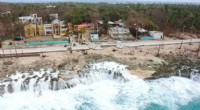
In short, the combination of physical and chemical weathering processes results in the roughening of edges, formation of grooves, and breaks in rocks.