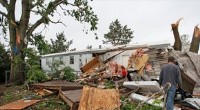
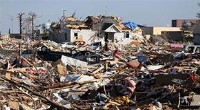
1. Building Design and Construction:
* Seismic Resistant Design: Buildings and infrastructure should be designed and constructed to withstand the shaking and ground motion caused by earthquakes. This includes using flexible materials, strengthening structural elements, and incorporating shock absorbers.
* Building Codes: Enforce strict building codes that mandate seismic-resistant construction standards.
* Retrofitting Existing Structures: Older buildings can be retrofitted to increase their earthquake resistance. This may involve strengthening foundations, adding bracing, and improving connections between structural elements.
2. Land Use Planning:
* Avoid Building in High-Risk Zones: Avoid building critical infrastructure and residential areas in known fault zones or areas prone to liquefaction.
* Encourage Development in Safer Locations: Promote development in areas with lower seismic risk.
3. Early Warning Systems:
* Seismic Sensors: Install dense networks of seismic sensors to detect earthquakes and send warnings to communities.
* Alert Systems: Develop and implement effective warning systems that provide timely alerts to people and infrastructure.
4. Public Education and Awareness:
* Disaster Preparedness: Educate the public on earthquake safety, including how to "drop, cover, and hold on" during an earthquake, how to secure belongings, and how to prepare an emergency kit.
* Evacuation Plans: Develop and practice evacuation plans for schools, workplaces, and communities.
* Emergency Response: Train emergency responders and healthcare workers on earthquake response protocols.
5. Infrastructure Resilience:
* Critical Infrastructure Protection: Strengthen bridges, power grids, water systems, and communication networks to withstand earthquake impacts.
* Emergency Supply Chains: Ensure that critical supplies, such as food, water, and medical supplies, are available in the event of an earthquake.
6. Research and Development:
* Earthquake Forecasting: Fund research to improve our understanding of earthquake forecasting and prediction.
* New Technologies: Invest in developing new technologies for earthquake detection, warning, and mitigation.
Remember, while we can't prevent earthquakes, we can take proactive steps to minimize their impact and build resilient communities.