1. Measuring Plate Motion:
* Direct Measurement: GPS satellites can measure the positions of points on Earth with incredible accuracy (millimeters per year). By tracking these points over time, scientists can detect the minute movements of the Earth's tectonic plates. This allows them to directly observe and quantify the rate and direction of continental drift.
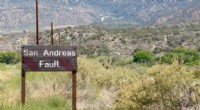
* Confirming Plate Boundaries: GPS data confirms the locations of plate boundaries (where plates meet) and helps scientists understand how plates interact. For example, GPS data shows that the San Andreas Fault in California is a transform boundary where plates slide past each other.
2. Understanding Plate Dynamics:
* Stress and Strain: GPS data helps scientists understand the forces that cause plates to move. By measuring the strain (deformation) in the Earth's crust, they can infer the stress (forces) acting on the plates. This information helps them understand the processes that drive continental drift.
* Seismic Activity: GPS data is used to monitor the movement of the Earth's surface, which helps scientists understand and predict earthquakes. This data is crucial for understanding how the movement of plates leads to seismic activity.
3. Studying Past Plate Motions:
* Paleomagnetism: GPS data combined with paleomagnetic data (studying the Earth's magnetic field recorded in rocks) helps scientists understand the past movements of plates. This helps them reconstruct the history of continental drift and how the Earth's continents have moved over millions of years.
In summary, GPS is not directly measuring continental drift in the way we imagine continents "floating" on the mantle. Instead, it provides detailed, precise measurements of the Earth's surface, allowing scientists to understand the movement of tectonic plates, the forces driving them, and the resulting geological processes.