* Heat Sources: The Earth's mantle is heated from two main sources:
* Internal heat: Leftover heat from the Earth's formation and radioactive decay of elements like uranium, thorium, and potassium within the mantle.
* External heat: Heat transferred from the Earth's core.
* Melting Point: The mantle is primarily composed of solid rock. However, the pressure and temperature increase with depth. At a certain depth, the temperature is high enough to melt the rock, even though it's under immense pressure.
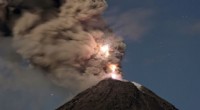
* Concentration of Heat: Areas within the mantle where heat is concentrated, such as near volcanic hotspots or along plate boundaries, cause the surrounding rock to reach its melting point. This creates a pocket of molten rock, which is magma.
* Magma Formation: The formation of magma is a complex process involving factors like:
* Pressure changes: When pressure decreases, the melting point of the rock lowers, making it easier for magma to form.
* Water content: The presence of water lowers the melting point of rocks. This is particularly important in subduction zones where water is trapped within the descending oceanic plate.
In summary: The concentration of heat within the mantle provides the energy to melt rocks, leading to the formation of magma. This process is influenced by various factors like pressure, water content, and the presence of radioactive elements.