Environmental Challenges and Adaptations:
* Arid Climate: The Southwest is characterized by low rainfall, leading to arid conditions. This has forced people to adapt, developing strategies for water conservation, agriculture in limited water sources, and using drought-resistant plants.
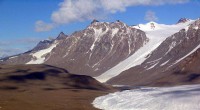
* Harsh Terrain: Mountain ranges, deserts, and canyons create a challenging landscape. Indigenous peoples developed specific skills for navigating these terrains, utilizing natural resources, and adapting to diverse microclimates.
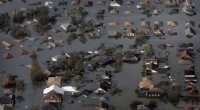
* Natural Hazards: The region experiences droughts, floods, wildfires, and earthquakes. These hazards have influenced settlement patterns, resource management, and the development of cultural beliefs and practices around weather and disaster preparedness.
Cultural and Economic Influences:
* Agriculture and Trade: The Southwest was a center for agricultural innovation, with early civilizations cultivating crops like corn, beans, and squash. The availability of different crops influenced trade networks, food production, and cultural practices.
* Water Resources: Access to water sources (rivers, springs, and aquifers) was crucial for survival and prosperity. Water management systems like irrigation canals and acequias were developed, shaping community organization and resource allocation.
* Architecture and Design: The unique environment influenced architectural styles. Adobe construction, with its ability to regulate temperature and withstand harsh weather, became widespread. Pueblo communities developed multi-story structures that utilized space effectively and provided defense.
* Religious Beliefs: The arid landscape and its cyclical nature influenced religious beliefs and rituals. Ceremonies often focused on rainmaking, fertility, and honoring the spirits of the land.
Modern Impact:
* Water Scarcity: Today, the Southwest faces growing water scarcity due to population growth, climate change, and overuse. This poses significant challenges for agriculture, urban development, and ecosystem health.
* Land Management: The region's unique landscapes are a source of tourism and recreation, but also face challenges from development, pollution, and climate change. Land management practices are crucial for balancing economic growth and environmental sustainability.
* Cultural Preservation: The diverse cultures of the Southwest are increasingly interconnected with the region's environmental challenges. Preserving indigenous knowledge and traditional land management practices is essential for adapting to a changing climate and ensuring future generations can thrive.
In conclusion, the geography of the Southwest has been a defining factor in the lives of its people. It has driven innovation, adaptation, and cultural development, shaping the region's rich history, present challenges, and future possibilities.