Volcanoes are fascinating geological formations that showcase the incredible power and dynamism of our planet. Here's a breakdown of what I know about them:
Formation and Types:
* Volcanoes are formed when molten rock, ash, and gases escape from the Earth's interior, often through a vent or opening in the Earth's crust.
* The magma rises through the crust, sometimes erupting onto the surface as lava flows, pyroclastic flows, or explosive eruptions.
* Types of volcanoes are categorized based on their shape, eruptive style, and composition:
* Shield volcanoes: Wide, gently sloping volcanoes built up from layers of fluid lava flows (e.g., Mauna Loa in Hawaii).
* Cinder cones: Small, steep-sided volcanoes made up of loose fragments of volcanic rock called cinders (e.g., Paricutin in Mexico).
* Composite volcanoes (stratovolcanoes): Tall, conical volcanoes formed from alternating layers of lava flows and pyroclastic deposits (e.g., Mount Fuji in Japan).
* Lava domes: Rounded, dome-shaped features created by viscous lava that piles up around the vent (e.g., Lassen Peak in California).
* Calderas: Large, bowl-shaped depressions formed when the summit of a volcano collapses after a large eruption (e.g., Yellowstone Caldera in Wyoming).
Eruptions and Hazards:
* Volcanic eruptions can be both destructive and constructive, shaping landscapes and influencing Earth's climate.
* Eruptive styles vary greatly:
* Effusive eruptions: Relatively gentle eruptions characterized by slow-moving lava flows.
* Explosive eruptions: Powerful eruptions that release large amounts of ash, gas, and volcanic bombs, often with devastating consequences.
* Major hazards associated with volcanic eruptions include:
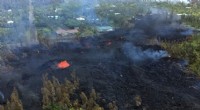
* Lava flows: Molten rock that can destroy anything in its path.
* Pyroclastic flows: Fast-moving, deadly mixtures of hot gas, ash, and rock fragments.
* Ashfall: Volcanic ash can cause respiratory problems, disrupt transportation, and damage infrastructure.
* Lahars: Mudflows that can be triggered by eruptions or heavy rain, carrying large amounts of debris.
* Tsunamis: Volcanic eruptions underwater can generate devastating tsunamis.
Volcanoes and Human Impact:
* Volcanoes have played a significant role in human history and culture, both as sources of fear and inspiration.
* Volcanic soils are often fertile, supporting agriculture and human settlements.
* Volcanic activity can provide geothermal energy, a sustainable and renewable source of power.
* Volcanoes are also a source of valuable minerals, such as sulfur and diamonds.
Monitoring and Prediction:
* Scientists constantly monitor volcanoes using a variety of techniques to predict eruptions and mitigate risks.
* Monitoring methods include:
* Seismic activity: Increased earthquakes often precede eruptions.
* Gas emissions: Changes in gas composition and release rates can indicate volcanic unrest.
* Ground deformation: The ground surface can bulge or inflate as magma rises beneath the volcano.
* Thermal imaging: Heat signatures can indicate the presence of molten rock.
Volcanoes remain a captivating and powerful force of nature, constantly reminding us of Earth's dynamic processes and the fragility of life.