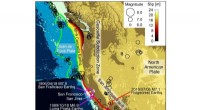
* Plate tectonics: The Earth's outer layer is made up of large plates that move and interact with each other. This causes earthquakes, volcanic eruptions, mountain building, and the formation of new ocean floor.
* Erosion: Wind, water, and ice wear away rock and soil, shaping landscapes and transporting sediment. This is a continuous process that reshapes coastlines, forms canyons, and creates fertile plains.
* Weathering: This is the breakdown of rock and soil by physical and chemical processes, such as freezing and thawing, or the action of acids in rain. Weathering creates caves, shapes mountains, and releases nutrients into the soil.
* Volcanism: Volcanoes erupt and release molten rock, ash, and gases. This activity creates new landforms, deposits fertile soil, and can influence climate.
These are just a few examples, and there are many other geologic forces at work. These forces are slow and gradual, but their effects are profound. They have shaped the Earth over millions of years and continue to do so today.