* Ancient Seas: Millions of years ago, the area where the Rocky Mountains now stand was covered by a vast, shallow sea. This sea teemed with marine life, leaving behind their remains as fossils in the sediment at the bottom.
* Geological Uplift: Over time, intense tectonic activity caused the Earth's crust to buckle and fold, pushing the seafloor upward. This process, called mountain building, eventually formed the Rocky Mountains.
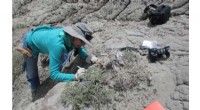
* Erosion and Exposure: As the mountains were uplifted, erosion by wind and water exposed the layers of rock that had been formed in the ancient sea. This exposed the fossils that were trapped within.
In simpler terms: Imagine a giant, underwater sandcastle that gets pushed up out of the water and then eroded, revealing the seashells that were once buried inside.
Important Note: The fossils found on top of the Rocky Mountains are not necessarily *from* the Rocky Mountains themselves. Instead, they indicate that the area was once a seabed before the mountains formed.