Here's a breakdown of the process:
1. Plate Tectonics: The Ural Mountains were formed by the collision of two ancient continents: the East European Craton and the Siberian Craton. These were separate landmasses before the collision.
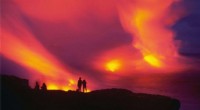
2. Subduction and Convergence: As the two continents moved closer, the leading edge of one plate (likely the East European Craton) began to subduct, or slide beneath, the other. This subduction process melted the underlying mantle, leading to volcanic activity and the formation of a volcanic arc along the edge of the Siberian Craton.
3. Collision: Eventually, the two continents collided. The immense pressure of this collision caused the Earth's crust to buckle, fold, and uplift, creating the Ural Mountains.
4. Erosion and Weathering: Over millions of years, the mountains have been sculpted by erosion and weathering, shaping their current profile.
Key Features of Ural Mountain Formation:
* Folding and Faulting: The collision process caused significant folding and faulting in the Earth's crust, leading to the formation of mountain ranges.
* Metamorphism: The intense pressure and heat of the collision metamorphosed existing rocks, creating new mineral assemblages.
* Magmatism: The subduction process triggered magma formation and volcanic activity, contributing to the mountain building process.
Today:
The Ural Mountains are a reminder of the immense forces that have shaped Earth's continents over millions of years. While not as high as the Himalayas or the Andes, the Urals are a significant mountain range with a rich history of geological and human activity.