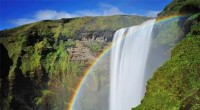
* Flat-lying sedimentary rocks form in relatively stable environments where layers of sediment accumulate horizontally. This usually results in flat or gently rolling landscapes.
Landscapes NOT likely to be underlain by flat-lying sedimentary rock:
* Mountain Ranges: Mountains are formed by tectonic forces that uplift and fold rock layers. This intense deformation would make it unlikely to find flat-lying sedimentary rocks in a mountain range.
* Canyons and Valleys with Steep Slopes: These features often form through erosion, which can expose underlying rock layers that were originally flat. The erosional processes create the steep slopes, making the landscape unsuitable for the preservation of flat-lying sedimentary rock.
* Volcanic Landscapes: Volcanic activity creates landscapes dominated by igneous rock (formed from cooled lava or magma), not sedimentary rock.
Examples of Landscapes LIKELY to have flat-lying sedimentary rock:
* Plateaus: Wide, flat areas elevated above the surrounding land.
* Plains: Large areas of flat, low-lying land.
* Deserts: Dry, arid environments where wind can deposit and accumulate sediment.
Let me know if you'd like more details on any of these!